An innovative training programme, this course provides dental practitioners with the essential skill set and knowledge required to offer high-quality dental treatment in a safe environment.
The Certificate in Implant Dentistry will be awarded on successful completion of the course. Experienced practitioners or those who have carried out formal training in Implant dentistry can fulfil the criteria by completing the mandatory advanced training units.
This course is innovatively structured by a team of industry-leading authorities to make Implant Dentistry more predictable and relevant in contemporary dentistry . Hybrid teaching, clinical mentoring and hands-on skill development sessions will take you through the many nuances of dental implantology and enable you to provide expert care to your patients.
An exhaustive 12 months PG Certificate course tailored to fit contemporary advanced dental and surgical requirements.
Course commencement :
The aim of this course is to provide education and training to course participants to enable them to practice implant dentistry as per FGDP guidelines.
At PAD Academy, the course is designed with additional curriculum and special focus on digital workflows that provides dental practitioners with the essential skill set and knowledge required to offer high-quality dental treatment.
The 12 months Post Graduate Certificate in Implant dentistry comprises of Contact learning, distance learning, hands on skill development & practical clinical training and mentoring.
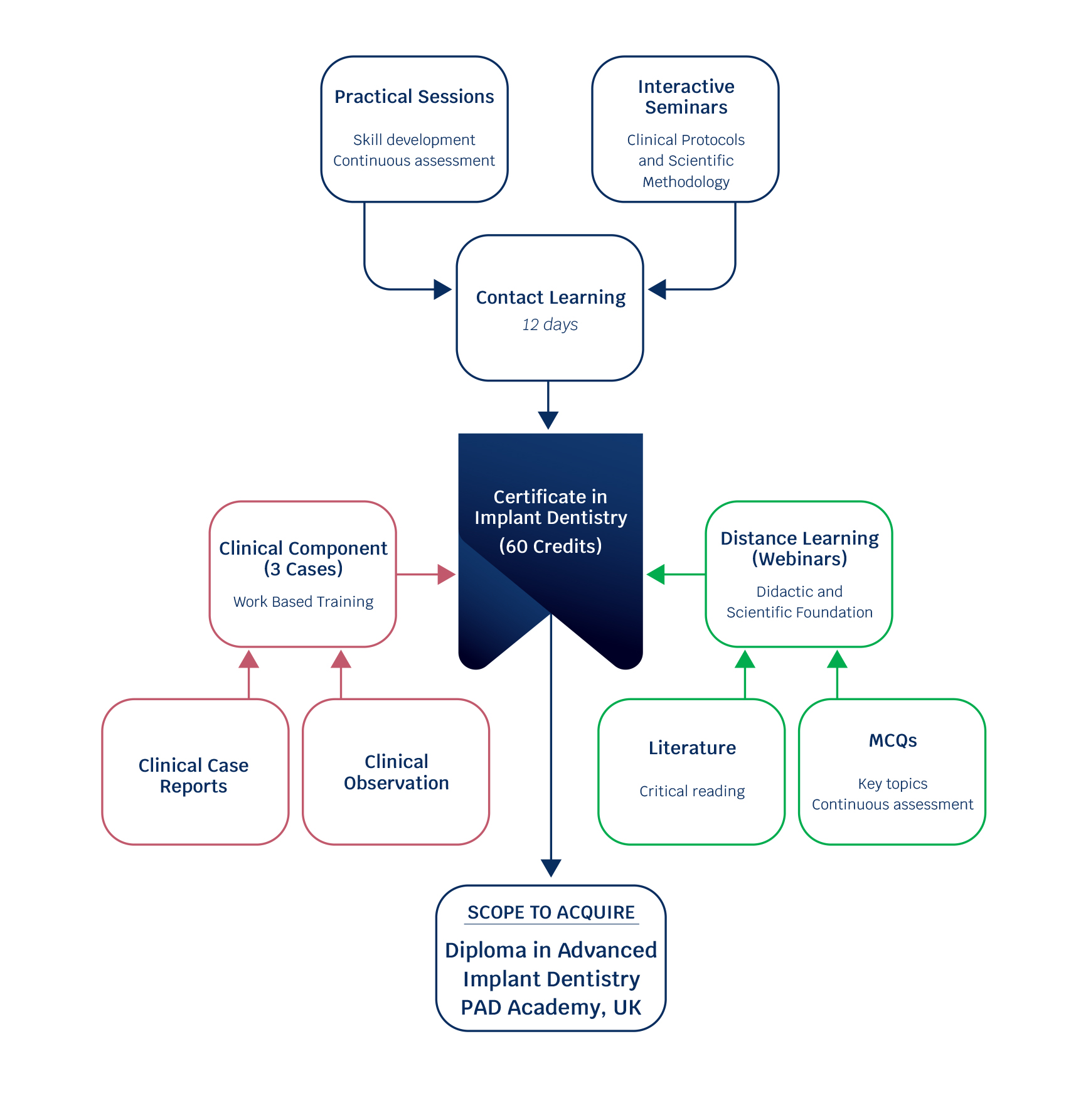
On being awarded the certificate, the credits from this program can be transferred towards the Diploma in Advanced Implant Dentistry. Dip Imp Dent (Advanced)
There are different aspects at which dentists can wish to be involved with Implant Dentistry. It could include –
a. Surgical and Restorative aspects of Implant Dentistry (Conventional & Digital)
b. Surgical aspects alone
c. Restorative aspects
d. Referral of patients requiring treatment

write to us or call


On completion of the course the dentist should gain the necessary knowledge and skill to be able to:
write to us or call
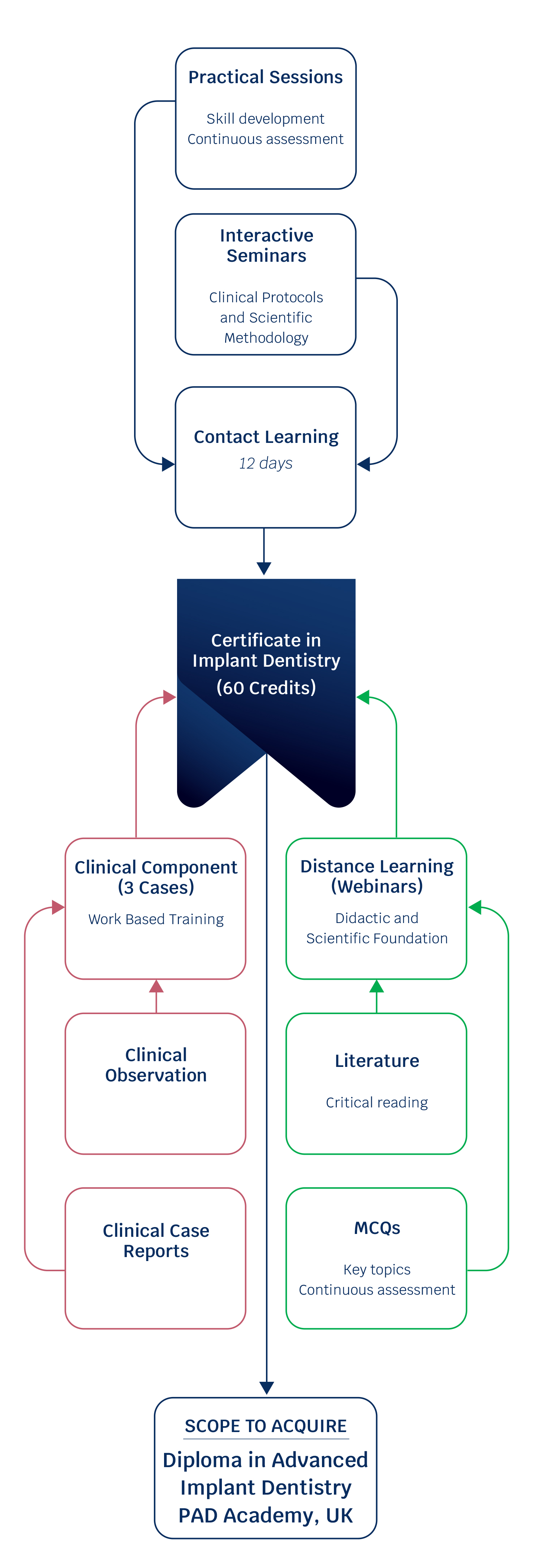
The Certificate will consist of three components.
A minimum of 12 days face to face meeting over 12 months; each unit will be carried out over three to four days in a designated month. The contact learning sessions will consist of
a) Interactive seminars (face to face) where time tested clinical protocols and scientific methodology will be taught and discussed.
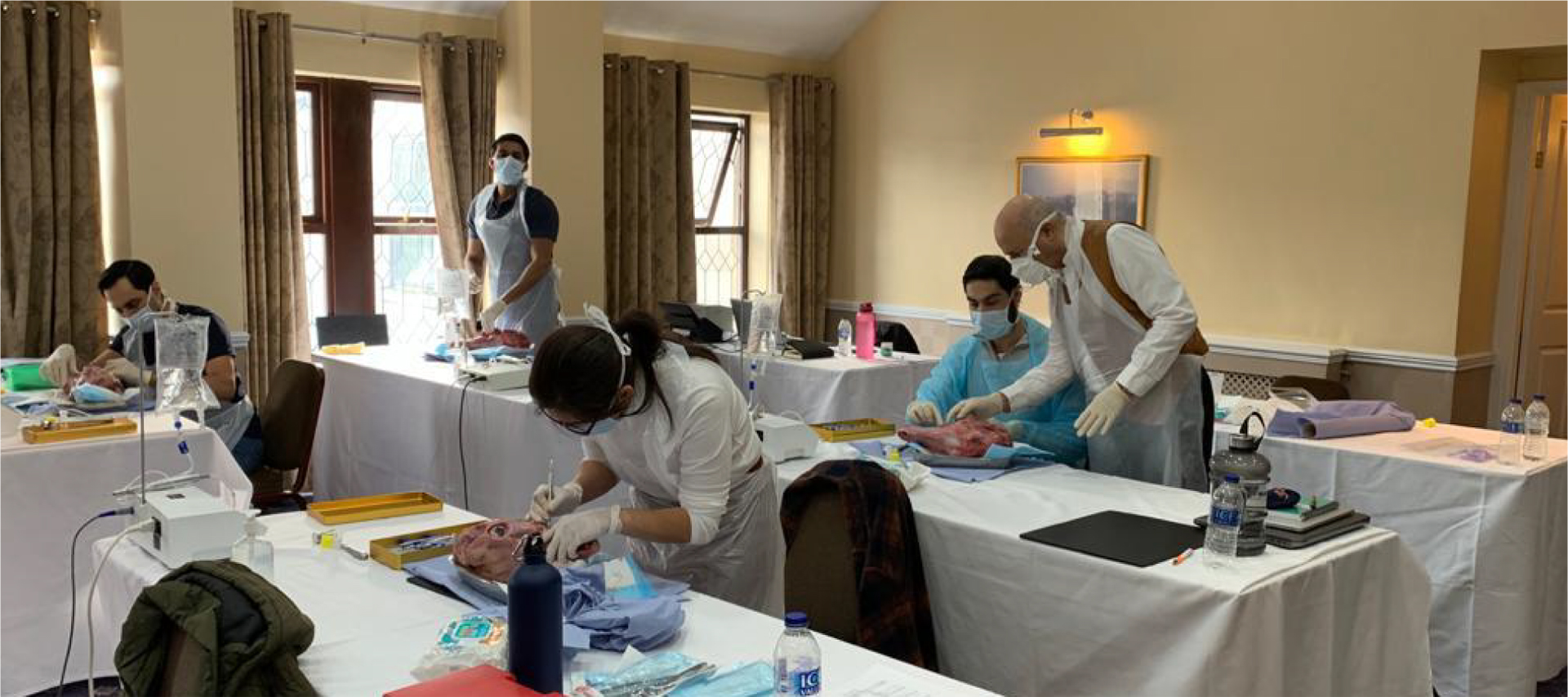
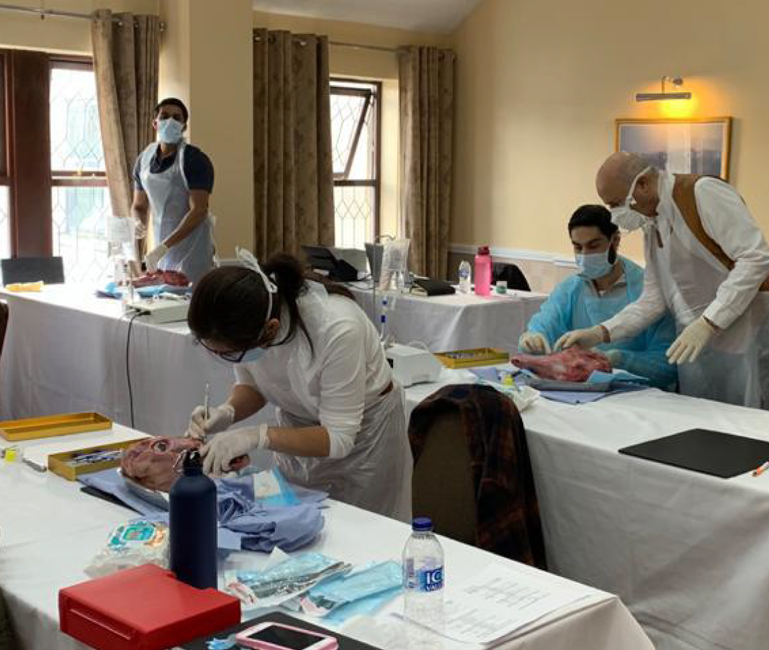
b) Practical sessions are designed to develop skills for a range of surgical procedures commonly employed in implant dentistry will be carried out. Assessment of the practical exercises will be carried out.
c) Practical sessions to digitally design and fabricate surgical guides, abutments and supra structures (for conical fit, cement-retained and screw retained)
Multiple Choice Questions: At the end of each contact training day/webinar delegates will have to answer the MCQs and fill the questionnaire required for enhanced CPD requirements of the GDC.
The Certificate programme provides 150 hrs of V CPD
This will be in the form of evidence from work-based training. It will comprise of
(a) Clinical Observation: Observation of clinical procedures being carried out will form a fundamental part of the work-based training. This will be carried out at accredited training practices, which will be located at a variety of geographical locations.
(b) Clinical case reports, a total of three cases under the peer mentoring system will be carried out by course delegates. Help will be provided to proactively recruit cases, gain approval, and arrange for placement of dental implants. These will be carried out under the guidance of mentors who will approve the treatment plans for the three cases and provide any guidance that is required.
Clinical Cases:
(1 single implant, 1 multiple splinted unit, 1 any other case)
Preferably 1 case should be restored using digital dentistry.
The distance learning component will form the didactic and scientific foundation. It will consist of:
a) Critical reading of literature. Delegates will be provided with a list of publications, which will be read for critical review at the contact learning sessions.
b) Assignments: A total of 2 key topics will be selected for assignments. Delegates will need to research the topics and complete the assignments. These assignments will form a part of the continuous assessment process.
c) Multiple Choice Questions: At the end of each webinar delegates will have to answer the MCQs and fill the questionnaire required for enhanced CPD requirements of the GDC
Postgraduate Diploma in Advanced Implant Dentistry
write to us or call

The syllabus has been carefully designed to begin with the foundational building blocks in Implant dentistry and to end with soft tissue grafting and corrective surgeries.
Applied Anatomy
Applied Physiology
Introduction and Assessment
Medical evaluation consisting of:
Bio-chemical analysis
Microbial analysis
Blood analysis
Urine analysis
Anti-microbial prescription
Documentation and record-keeping
Medico-legal aspects
Informed consent
Treatment plans and patient letters
Clinical records
Communication with other specialists
Patient Assessment and Treatment Planning (conventional and digital planning)
Intra Oral Photography
organization
storage
Conventional radiographic imaging
Inter-active CT Scans
White Aesthetics and planning for successful outcome
Pink Aesthetics and planning for successful outcome
Personal Impact & Enhanced Communication Skills
With patients, colleagues and in presenting case studies
Interactive Critical Reading
Standards in Dentistry
Applied Restorative Dentistry (Relevance of Endodontics and Periodontics to Implant Dentistry)
Applied Occlusion
Sedation in Dentistry
Dental Anatomy and Morphology
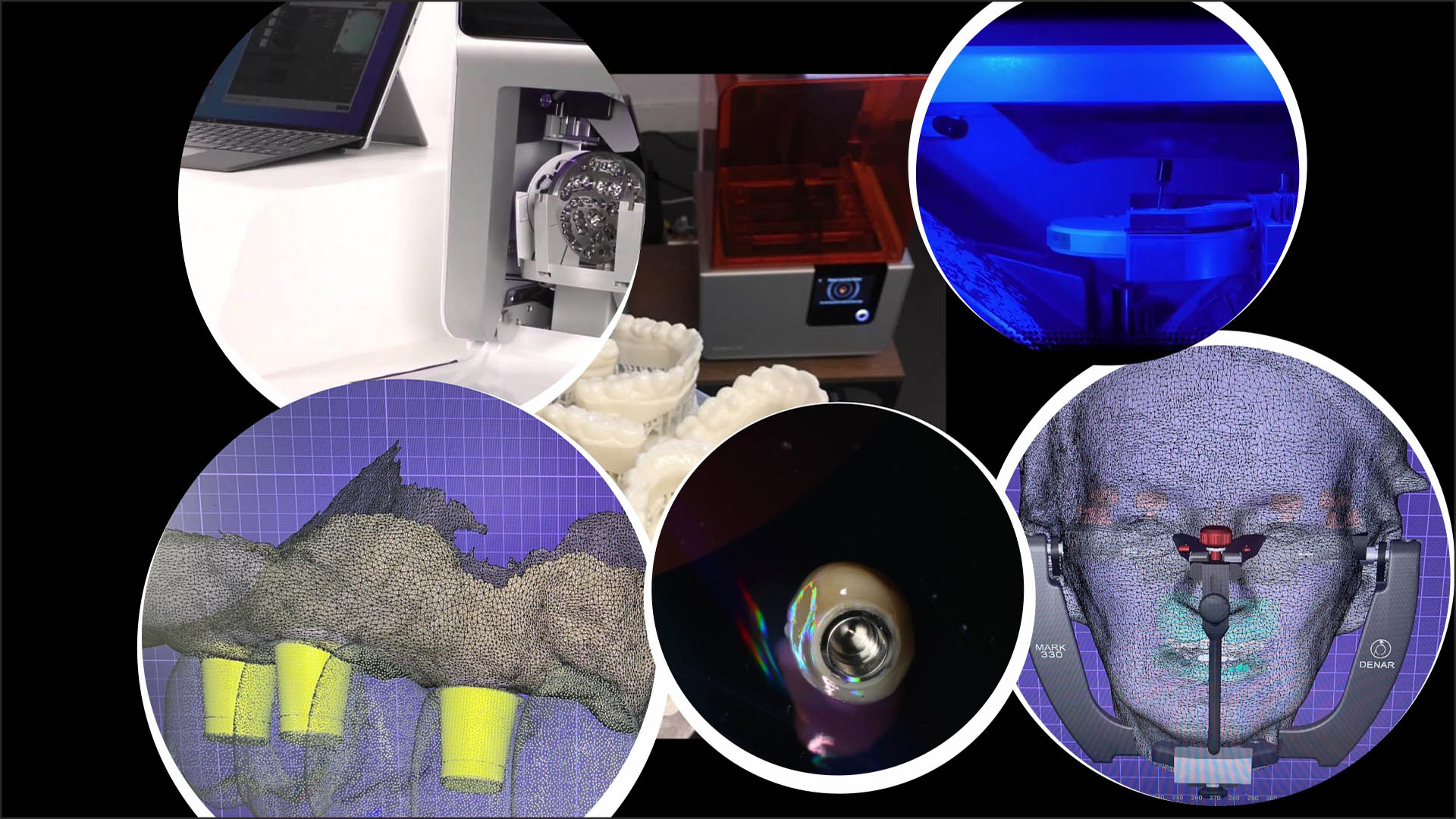
Digital Dentistry Workflow
3D Scanning
3D design
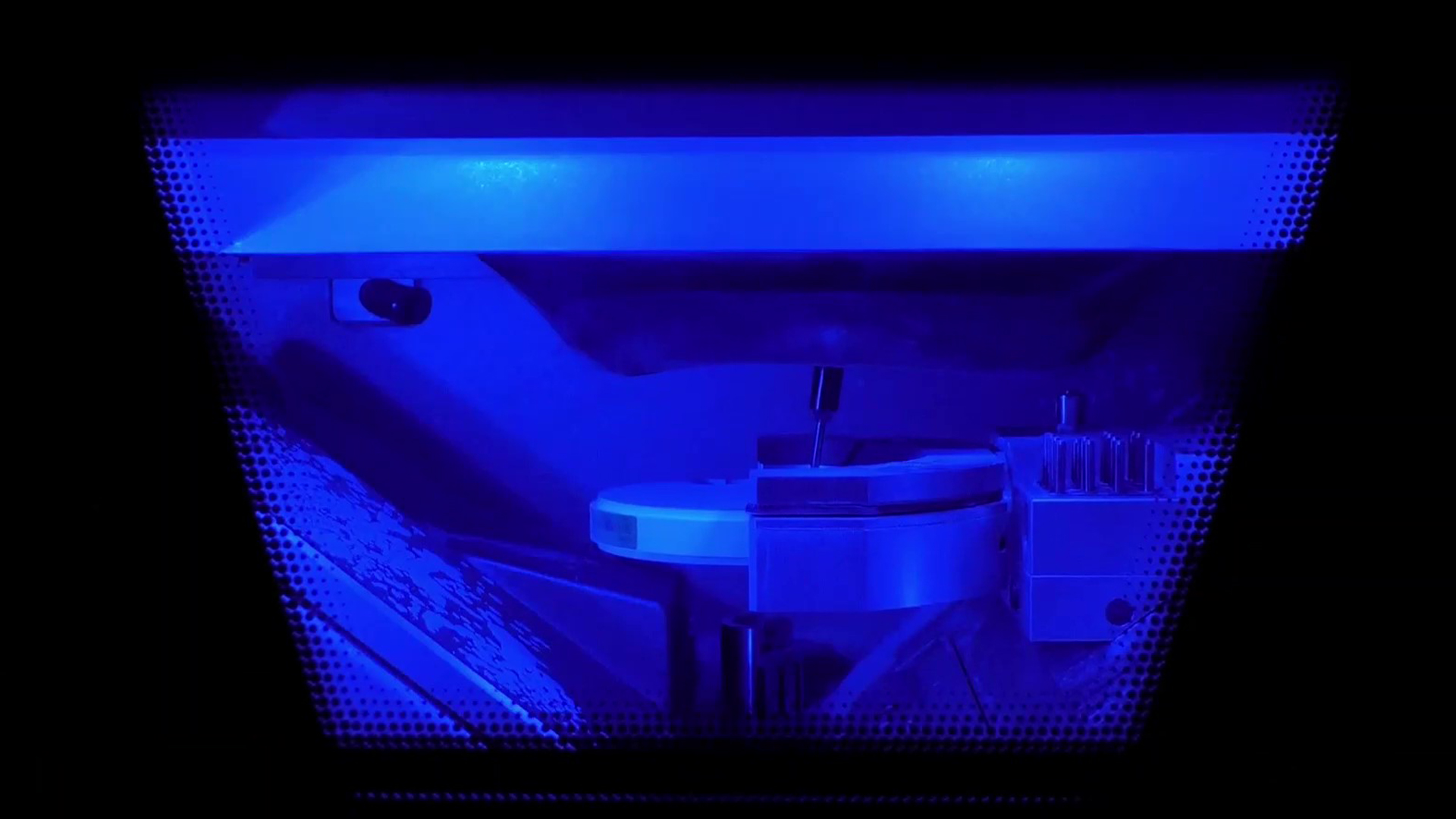
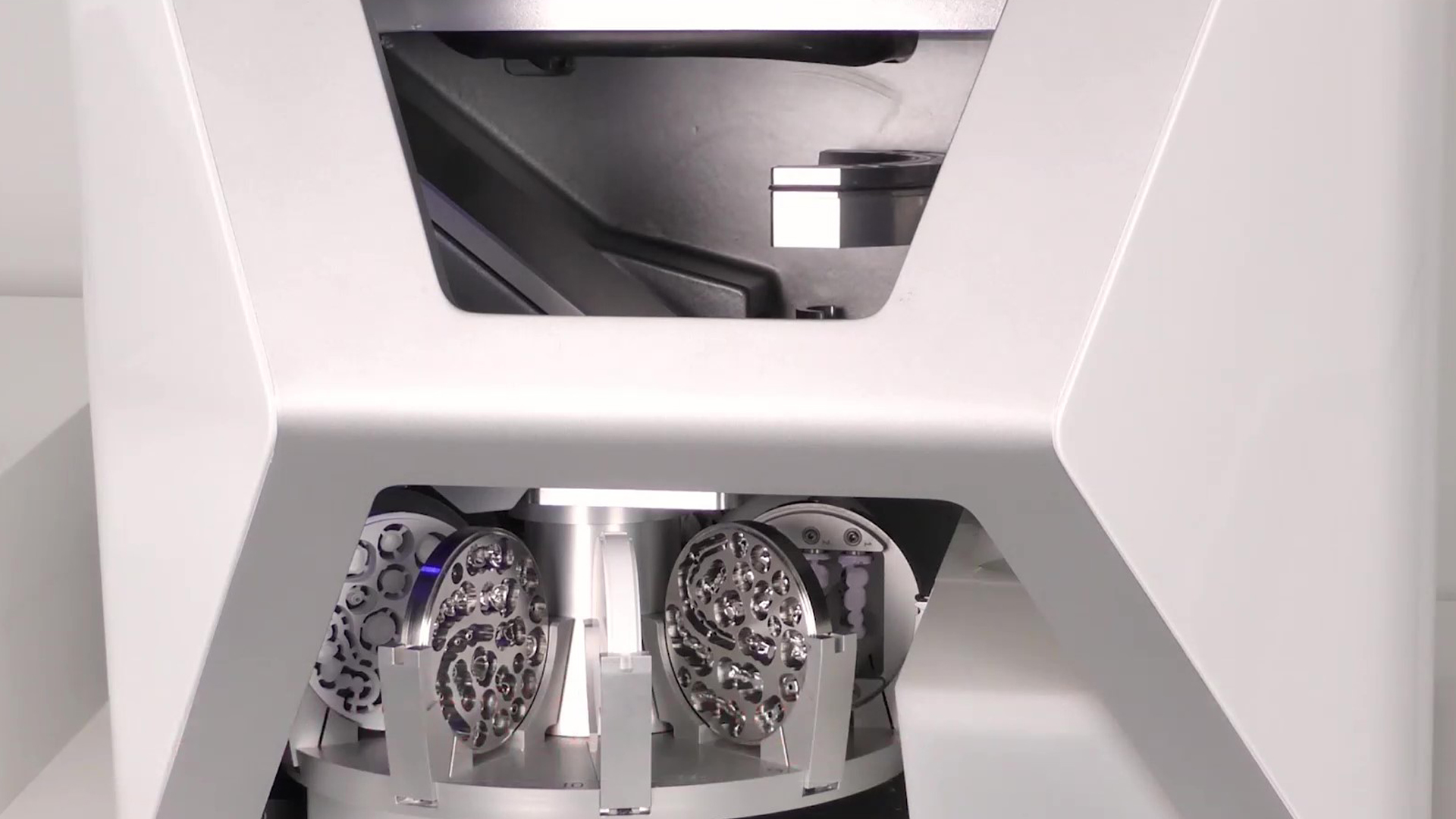
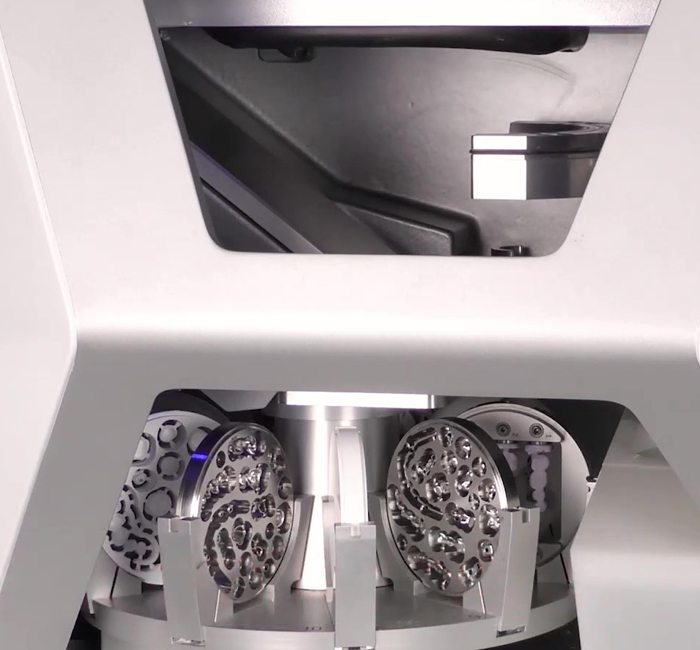
3D Milling
3D Printing
Green Dentistry from single teeth to full arches (Teeth Supported
Asepsis theory and practice
Training of surgical assistance and ancillary staff
Implant Systems
Several implant systems based on their features will be addressed and classified generically as below.
This is not a system-based course, but components form an integral part of this discipline. There will be an opportunity to use component parts representative of specific features. Participants will be able to make an informed decision about the system they would want to invest in!
Implant bodies
Implant Surfaces
Implant abutment attachments
External connection
Internal connection
Tapered connection (Morse taper)
Implant Surgery
Incisions
Flap designs
Implant placement techniques
Conventional osteotomy preparation
Fabrication and Placement using a surgical guide (3D Printing)
Soft tissue grafts
Suturing Techniques
Impression techniques (Conventional and Digital)
Open tray and Closed tray (conventional)
Scan body and Scan flags (Types, pros and cons)
Direct abutment
Impressions at 1st stage surgery
Provisional restorations and Transitional restorations (Conventional and Digital Workflows)
Fixed restorations (Conventional and Digital)
Single teeth
Short span bridges
Full arch restorations
Cement retained
Screw retained
Conical Retention
Removable Prosthesis (Conventional and Digital)
Ball attachments, locators, and clips
Precision attachments
Conical Retention
Timescales and Protocols
Delayed placement
Immediate placement
Delayed loading
Immediate loading
Advanced Digital workflows
Use of custom and stock abutments in digital dentistry.
Full arch in a day
Tooth in an hour
Green Implant Dentistry from single teeth to full arches (Implant supported)
Live Cases
At least 2 live cases will be presented to delegates to demonstrate both surgical and restorative aspects of implant dentistry.
Interactive CBCT Planning
Surgical guide design and fabrication
Green Dentistry (Model free Implant dentistry for cement, screw retained and conical connections)
Intra oral Scanning and scan flags
Design Software (3 Shape and Exocad)
5 axis wet and dry milling from single crowns to bars and bridges
Digital Materials (Blocks and Discs)
Digital Materials- Selection and handling protocols (PMMA, Peek, Composites, Ceramics, Zirconia, Titanium)
Abutment design and Milling
Model printing and digital analogues
write to us or call

Fees for this program is £ 12,000.
£2,000 should be paid during registration to reserve your seat and to confirm your participation. The remainder fee is to be paid at the beginning of the course. If you need any customised payment plans to spread payments during the course duration, please email us atcontact@pad-academy.co.uk or call our Academy Manager on +44 7502946559
This above fee will cover: Tuition, course notes, assignments, and other materials for practical sessions
write to us or call